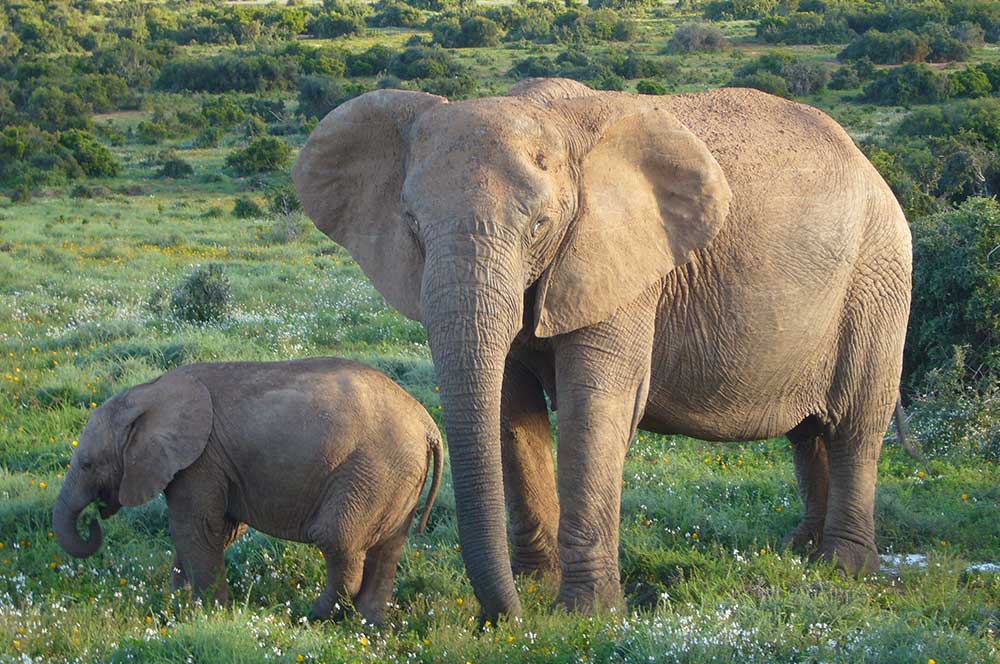
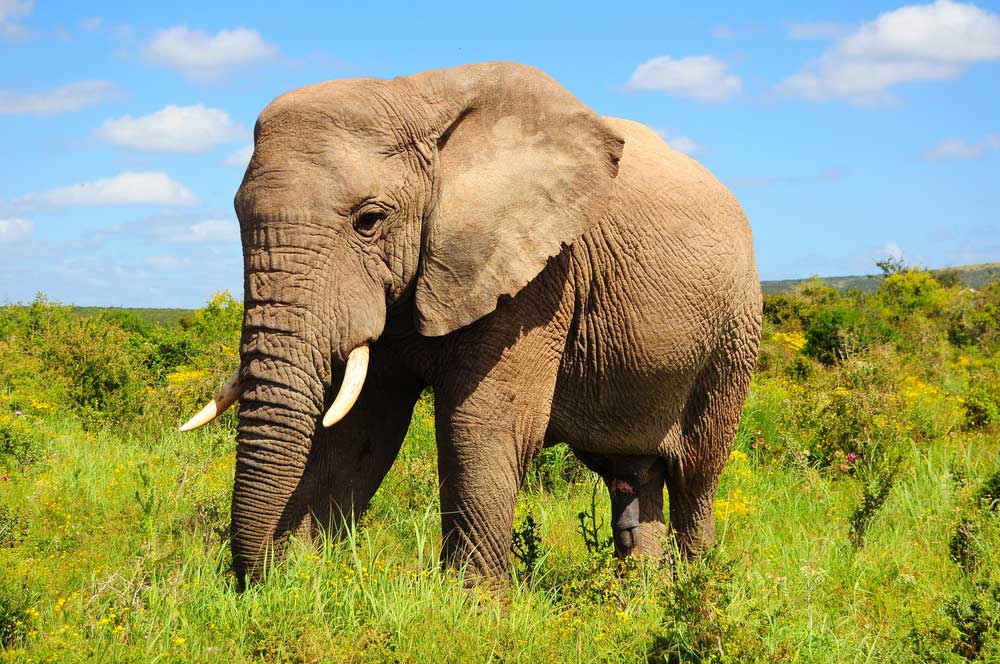
The African Bush Elephant is the largest of all living creatures on land today, with some individuals growing to weigh more than 6 tons. The Elephant is thought to have been named after the Greek word for ivory, meaning that Elephants were named for their uniquely long tusks. Although many of the ancestors of the African Bush Elephant became extinct during the last ice-age (including the Woolly Mammoth), there are three distinct species of Elephant remaining today which are the Asian Elephant (of which there are a number of sub-species), the African Bush Elephant and the African Forest Elephant. Although these two Elephant species are very similar, the African Bush Elephant is considered to
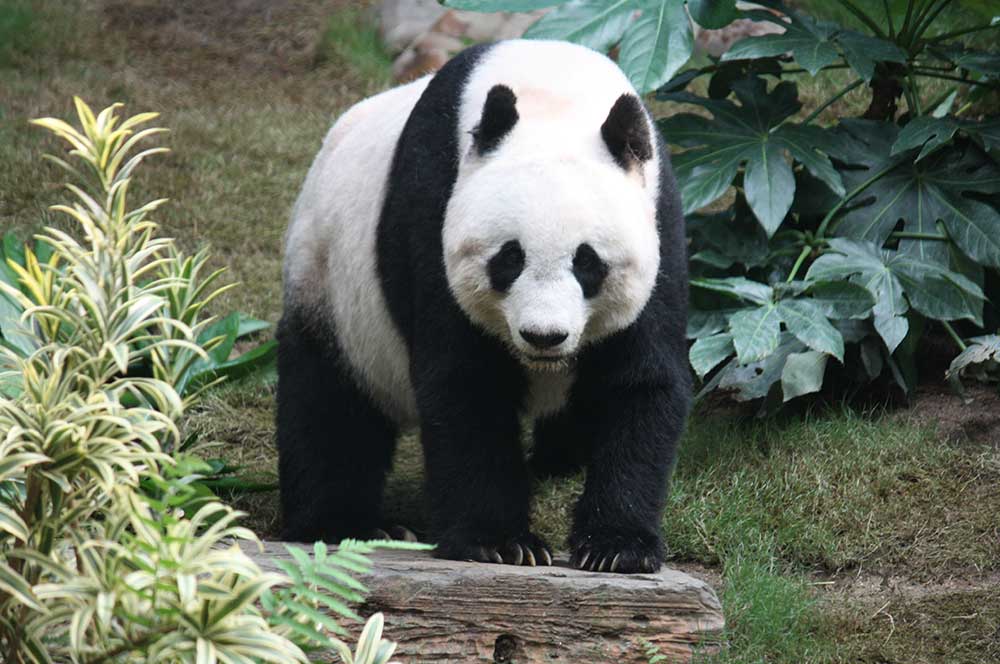
The Giant Panda is a species of bear that is found in the mountains of central and western China. One of the most famous and easily identifiable animals in the world, the Giant Panda is also one of the rarest and is under immense threat in it's natural environment, primarily from habitat loss. The Giant Panda is unique among bears as they do not hibernate, have very small babies at birth and survive on a diet that is almost entirely vegetarian. Since the Giant Panda was first discovered by a French naturalist in 1869, it has become a global symbol for conservation with the World Wildlife Fund using it as their logo. The Chinese people also see the Giant Panda as a symbol of peace and numerou
 ✖
✖
 ✖
✖
 ✖
✖
 ✖
✖
 ✖
✖
 ✖
✖
 ✖
✖
 ✖
✖
 ✖
✖
 ✖
✖
 ✖
✖
 ✖
✖
 ✖
✖
 ✖
✖
 ✖
✖
 ✖
✖
 ✖
✖
 ✖
✖
 ✖
✖
 ✖
✖
 ✖
✖
 ✖
✖
 ✖
✖
 ✖
✖
 ✖
✖
 ✖
✖
 ✖
✖
 ✖
✖
 ✖
✖
 ✖
✖
 ✖
✖
 ✖
✖
 ✖
✖
 ✖
✖
 ✖
✖
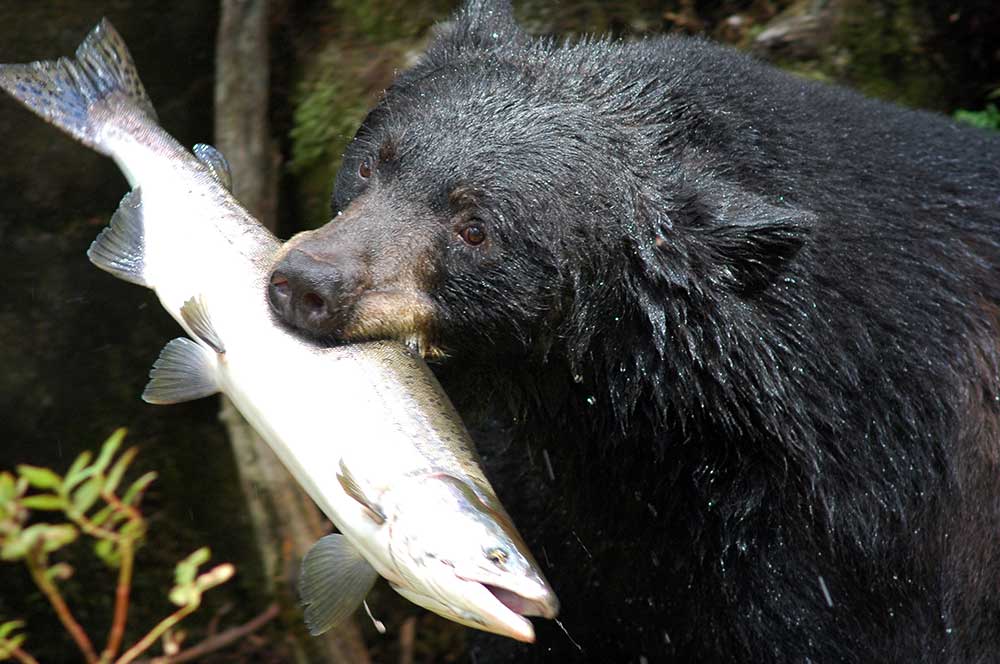
The Black Bear (also known as the American Black Bear) is a medium sized species of bear that is found inhabiting a variety of forested habitats across North America. The Black Bear is not only the most widespread bear on the North American continent but it is also the most numerous bear species in the world with there thought to be double the number of Black Bear individuals than all the other species put together. The Black Bear is also one of the only two out of the eight bear species that is not listed by the IUCN as being endangered as extensive conservation efforts added to their versatility has led to healthy populations throughout much of their remaining natural range (providing that