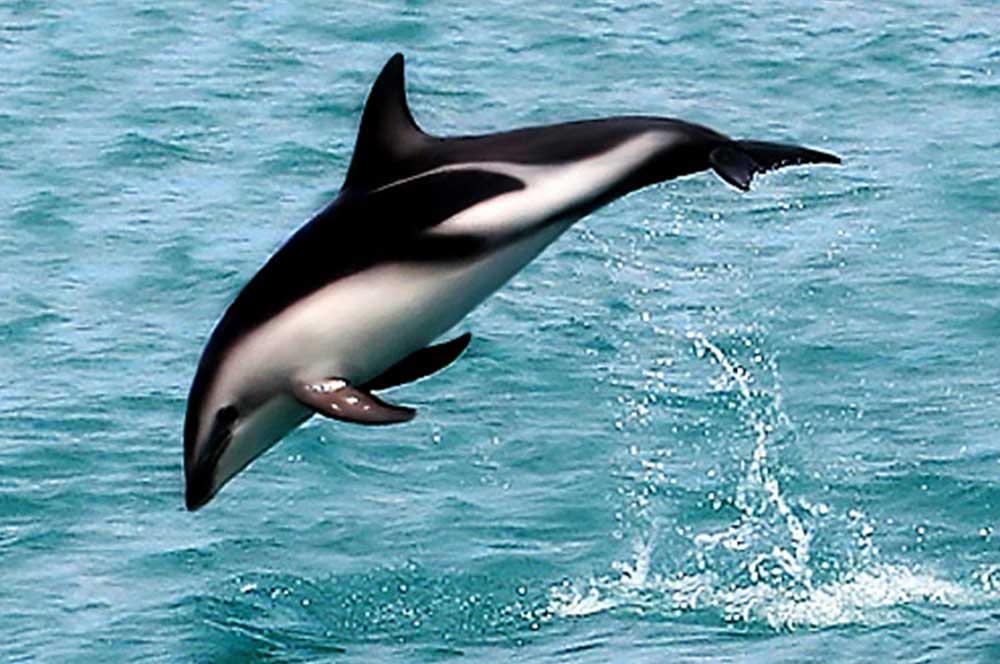
The Dusky Dolphin is a small species of dolphin that is found inhabiting the cooler waters along continental shelves throughout the southern hemisphere. This distinctive looking cetacean is closely related to other large marine animals including other dolphins, porpoises and whales but despite their fish-like appearance Dusky Dolphins are true mammals that both breathe air in and out of their lungs and also suckle their young on milk produced by the mother's mammary glands. Dusky Dolphins are widespread throughout the southern hemisphere with three species being recognised that have been grouped by their geographical range, with one found off the coast of South America, one near South Africa
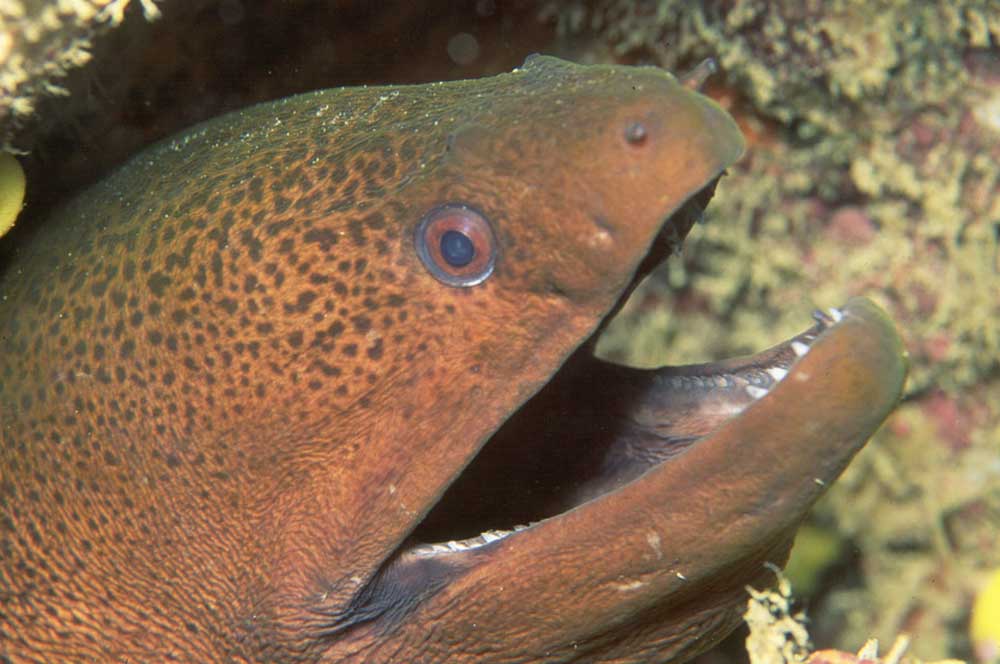
The moray eel is a large species of eel found in warm and temperate waters all around the world. Despite their snake-like appearance, moray eels (along with other eel species) are in fact fish and not reptiles.
Moray eels are found in both deep and shallow waters in tropical and sub-tropical regions. Although moray eels can be find in cooler waters occasionally, they tend to remain in the crevices deep in the ocean rather than venturing into shore. The largest populations of moray eels are found around tropical coral reefs where they are numerous different marine species found in large numbers.
There are around 200 different species of moray eel than can range in size from just 1
 ✖
✖
 ✖
✖
 ✖
✖
 ✖
✖
 ✖
✖
 ✖
✖
 ✖
✖
 ✖
✖
 ✖
✖
 ✖
✖
 ✖
✖
 ✖
✖
 ✖
✖
 ✖
✖
 ✖
✖
 ✖
✖
 ✖
✖
 ✖
✖
 ✖
✖
 ✖
✖
✖
✖
 ✖
✖
 ✖
✖
 ✖
✖
 ✖
✖
 ✖
✖
 ✖
✖
 ✖
✖
 ✖
✖
 ✖
✖
 ✖
✖
 ✖
✖
 ✖
✖
 ✖
✖
 ✖
✖
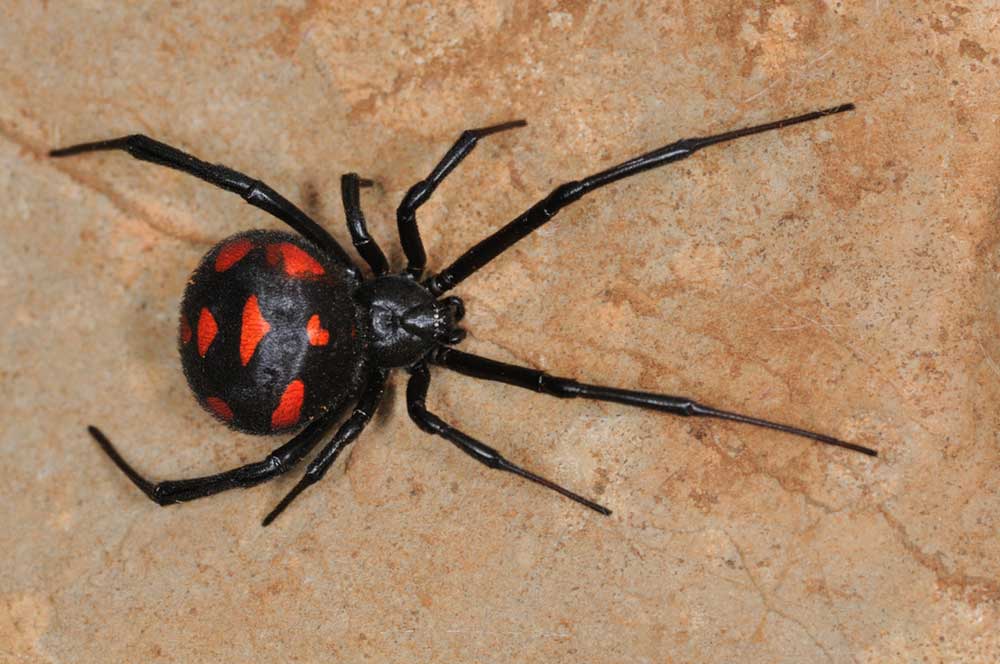
There are three main species of black widow spider, all of which have very similar characteristics and inhabit areas in Northern America and parts of Mexico. Until very recently all three species of black widow spider were classified as one but recent research shows that as the species inhabit different areas, the three species of black widow spider have adapted to their environment in different ways.
The Northern black widow spider is primarily found in the north east of the USA and parts of south east Canada, although the range of the northern black widow spider overlaps with that of the western black widow spider a great deal.
The Western black widow spider inhabits areas of t